
Intel TN80C186XL20: A Comprehensive Technical Overview of the 16-bit Embedded Processor
The Intel TN80C186XL20 represents a significant evolution in the realm of 16-bit embedded processors, building upon the foundational architecture of the Intel 8086. As a highly integrated microprocessor, it is engineered specifically for embedded control applications, combining high performance with a rich set of on-chip peripherals to reduce system cost and complexity.
Architectural Foundation and Core Features
At its heart, the TN80C186XL20 is based on the enhanced 186 architecture, which maintains full object-code compatibility with the 8086 and 8088 processors. This ensures a vast ecosystem of existing development tools and software. The core operates at a clock speed of 20 MHz (TN80C186XL20), providing a substantial performance boost for demanding real-time applications. A key architectural enhancement is the inclusion of a Dedicated DMA Unit and a Programmable Interrupt Controller on the die, significantly offloading these tasks from the main CPU and improving overall system throughput.
Integrated Peripherals and System Integration
A defining characteristic of this processor is its high level of integration, which is crucial for embedded designs. It incorporates a suite of essential system components that would otherwise require external chips. These include:
Two Independent DMA Channels: For high-speed data transfer between memory and peripherals.
Programmable Interrupt Controller (PIC): Manages both internal and external interrupt sources.
Three Programmable 16-bit Timers/Counters: Essential for real-time event control and scheduling.
Chip Select Unit: Generates up to 13 memory and I/O select signals, greatly simplifying memory interface design and reducing glue logic.
Power Saving Modes: Including a idle mode which halts the CPU core while allowing peripherals to remain active, crucial for low-power applications.
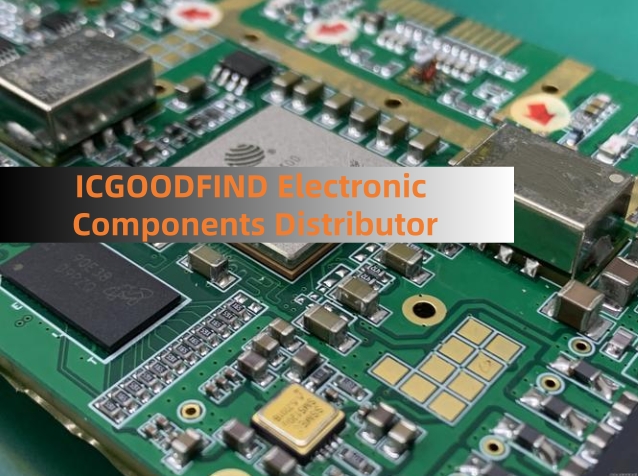
This integration allows designers to create compact and reliable systems with a minimal component count.
Memory Addressing and Management
The processor supports a 1-megabyte address space, a standard for 16-bit processors of its era. Its memory management capabilities, while not a full Memory Management Unit (MMU), provide features like relocation and wait-state generation for different memory blocks (RAM, ROM). This flexibility is vital for interfacing with various memory types and speeds commonly found in embedded systems.
Applications and Use Cases
The TN80C186XL20 found its niche in applications requiring robust real-time control and processing within a constrained physical space. Its primary use cases include:
Industrial Control and Automation: Programmable Logic Controllers (PLCs), sensor interfaces, and motor control.
Telecommunications Equipment: Such as routers, network bridges, and base stations.
Medical Instrumentation: Where reliability and deterministic performance are paramount.
Automotive Systems: For early engine control units and in-vehicle computing.
ICGOOODFIND
The Intel TN80C186XL20 stands as a quintessential example of early high-integration embedded processors. Its blend of proven x86 architecture, comprehensive on-chip peripherals, and robust real-time performance made it a cornerstone for a generation of embedded designs, effectively bridging the gap between simple microcontrollers and more complex microprocessors.
Keywords: Embedded Processor, 16-bit Architecture, Intel 186, System Integration, Real-time Control

